Justin Phillips (An Author Spotlight Interview - August 2026)
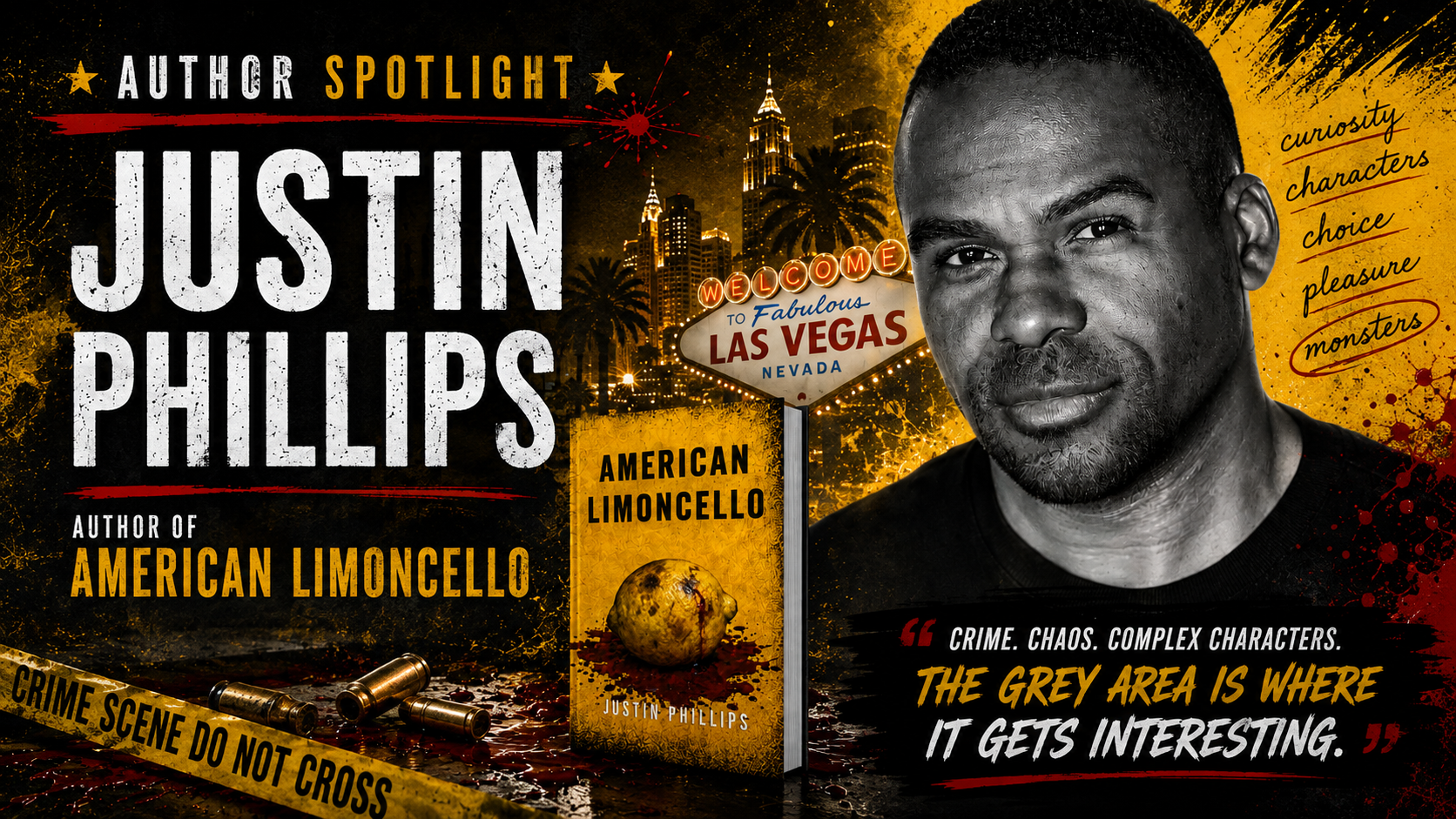
Storytelling didn’t begin on the page for Justin Phillips. It started in imagination: creating scenarios with toys, disappearing into ideas, and finding entertainment in the strange possibilities of everyday life. A self-described social introvert, Phillips spent years moving between engaging with the world around him and retreating into the solitude of his own thoughts before considering writing seriously in his mid-thirties. The eventual push came from an unlikely place: an email recounting his first week working as a valet in Las Vegas, complete with a car crash, sex workers, and a request for narcotics. A friend thought the story was hilarious and suggested he should write. It took ten years to follow that advice, but once he did, Phillips discovered a love not only for creating stories, but for seeing how people react to them.
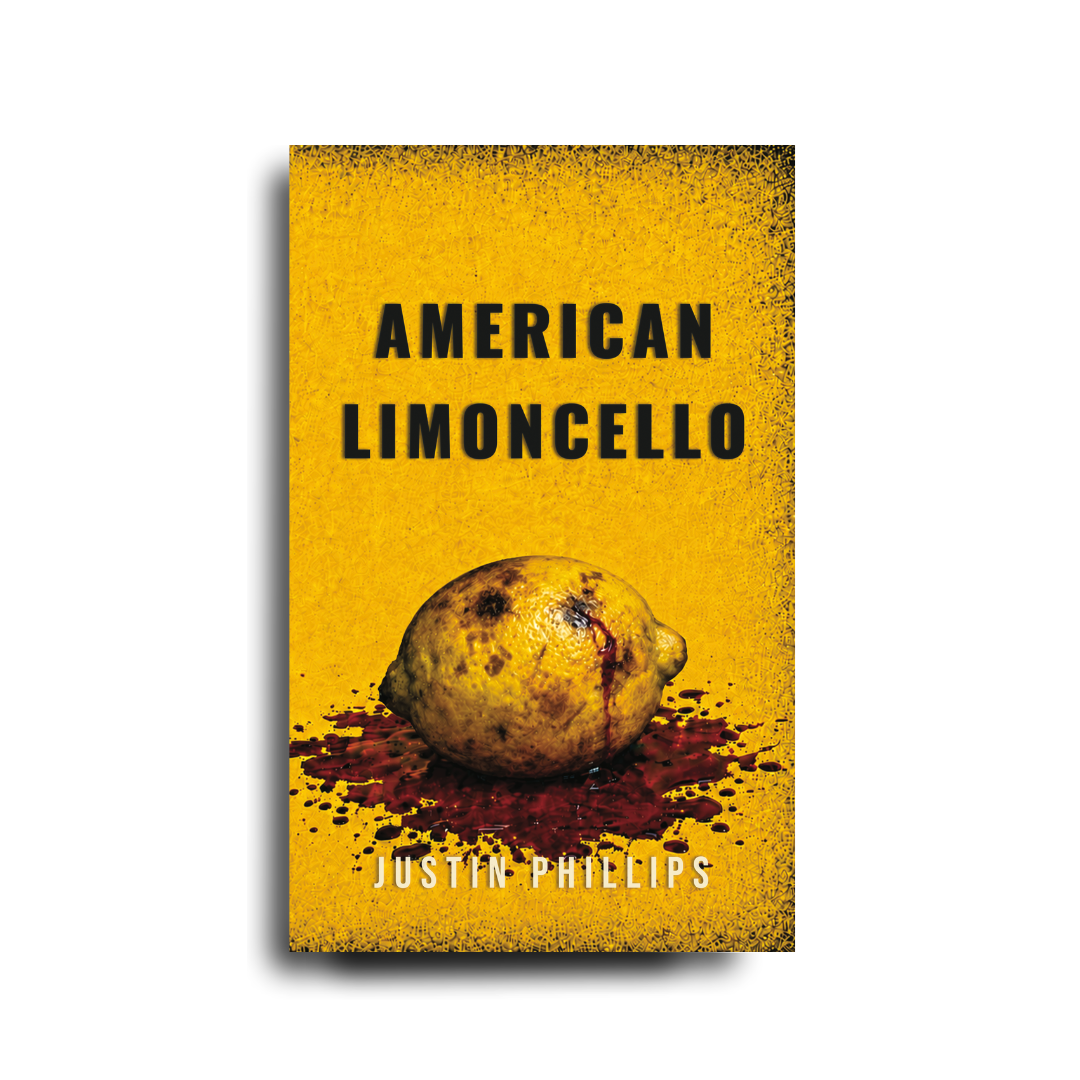
That unconventional path eventually led to his debut novel, American Limoncello, and it is reflected in an equally unconventional creative process. Rather than relying on rigid formulas or rules, Phillips follows curiosity, instinct, and what he calls the whispers of his “shadow self,” throwing unusual ideas together and allowing characters, themes, and conflicts to emerge along the way. His stories are particularly interested in the grey spaces of human behaviour: nature versus nurture, our pursuit of pleasure and avoidance of pain, and the complicated line separating flawed heroes, philosophical villains, and relatable monsters. Influences stretch from Raymond E. Feist and contemporary writers such as S. A. Cosby and Grace D. Li to comic books, where he first recognized how contrasting personalities can make characters—and the relationships between them—far more compelling.
In this exclusive Author Spotlight, Justin Phillips opens up about the unusual experience that eventually pushed him toward writing, why he refuses to become overly concerned with the “necessary” rules of the craft, and how Fruity Pebbles, DuckTales, and a willingness to get weird all have a place in his creative process. He also explores the importance of emotional connection, why crime provides such fertile ground for exposing a character’s mask, his approach to doubt and creative burnout, and the nine-year journey that ultimately led to American Limoncello. Plus, Phillips offers a glimpse at what comes next: adapting one of his former screenplays into a novel about a group of retired NFL players attempting to steal a Super Bowl ring from Vladimir Putin’s vault.
Step inside the wonderfully unconventional creative mind of American Limoncello author Justin Phillips as we explore morally grey characters, comic-book influences, creative chaos, cereal-fuelled inspiration, and the philosophy that carried him from aspiring writer to published debut novelist: just start, get better, get weird, and repeat.
1. Can you tell us a bit about yourself and your journey as a writer?
I’ve always been a social introvert, bouncing between engaging conversations and hunting for solitude. Storytelling was always there but via playing with toys or creating scenarios in my head. I didn’t consider writing until my mid thirties.
2. What inspired you to start writing, and how did you discover your passion for storytelling?
A friend was entertained by an email I sent. I was working as a valet in Las Vegas, first week involved a crash, sex workers and request for narcotics. He thought it was hilarious and suggested I write. I listened to him (ten years later). I discovered I enjoy both parts of storytelling; the creating and the reaction.
3. Could you share some insights into your creative process? Do you have any rituals or habits that help you write?
I listen to my curiosities and shadow-self whispers, jam an odd juxtaposition into an absurd situation. It takes time but themes and character arcs materialize.
The process isn’t concrete. The cooking is as random as the ingredients. I don’t get caught up on order or hierarchy, character vs plot. Cake lovers never ask, “Did the eggs enter the bowl before the milk?”
4. What themes or messages do you often explore in your writing, and why are they important to you?
I play with nature vs nurture themes. Why we make certain choices, the avoidance of pain and the hunt for pleasure. Crime stories are great landscapes to expose a character’s mask. I like finding the grey area between flawed heroes, philosophical villains and relatable monsters.
5. Are there any particular authors or books that have influenced your writing style or storytelling approach?
Comic books! Marv Wolfman explained the balance of characters from THE NEW TEEN TITANS back in the1980’s: Raven (restrained), Starfire (passion), and Wonder Girl (neutral) form a triangle. They make each other more interesting. You see it everywhere. Harry, Ron, Hermione or Kirk, Spock, McCoy or Carrie, Charlotte, Samantha.
I was big on Raymond E. Feist as a kid. Everyone is big on Lord of the Rings and Game of Thrones, I dig Feist’s Rift War saga.
I recently read and enjoyed S.A. Cosby and Grace D. Li.
6. Do you have any advice for aspiring writers who are just starting their journey?
Excitement will get you started. Passion gets you through the hard days. An onslaught of “necessary” rules will erode momentum, push through and reclaim joy on the other side. You don’t need any one’s permission to be a writer. The craft came before the industry. Just start. Get better. Get weird. Repeat.
7. How do you balance writing with other aspects of your life, such as work, family, and personal interests?
I don’t let writing dominate. No one likes a ‘one-note’ person. I can debate why Nightwing is better than Batman in a cafe or discuss WW2 on an eight mile hike. Hobbies and interest are important but they’re just conduits to people. I love living in my head but too much solitude has negative effects. I want people to read my stuff. Spending time with them is what keeps us ahead of AI.
8. How do you stay motivated and overcome writer's block when faced with challenges in your writing process?
I’ve not experienced writer’s block. Not that I don’t have days where nothing comes out, I just don’t see it as a block. More of a collision of ideas/decisions. This is when I push away from the laptop, pour a bowl of Fruity Pebbles and watch YouTube videos on how awesome the DUCK TALES theme song is.
9. How do you manage your time and set goals to ensure consistent progress in your writing projects?
Writing is fun for me. I don’t need much motivation. Deadlines add a positive sense of urgency. If I don’t have them then I give myself reachable goals. A daily word count. Other times I jump to a more interesting part of the story. Linear progress is an illusion.
10. How do you handle moments of doubt or uncertainty in your writing process, and what strategies do you use to persevere through challenges?
I talk about it. People enjoy helping creatives shift through our chaotic puzzle box. Don’t suffer alone with internal pressure, vent. And allow them to do the same (good old trauma bonding). Feel your emotions. Take a break then use those feelings as creative fuel.
11. What role do emotions and empathy play in your writing, and how do you strive to evoke emotional responses from your readers?
Emotions are the milk to a bowl of Cinnamon Toast Crunch. Ultimately we’re attempting to induce emotional reactions. ROCKY was exciting because of the boxing (cereal), but it’s a masterpiece because we felt joy watching a man with low self-esteem find confidence (milk).
12. Can you share any insights into the importance of a strong opening hook or first chapter in capturing readers' attention and setting the tone for the rest of the book?
You might get to the middle of your first draft before truly grasping your ‘voice.’ Once you find it make sure it’s present in that first chapter. It’s a good idea to let your opening be a sample of what’s to come. Action vs slow-burn isn’t as important as engaging, making a promise and delivering.
13. Can you discuss any experiences of writer's block or creative burnout, and how do you rejuvenate your creativity during those times?
I wrote for 9 years before I felt my novel was ready to seek industry attention. In those years I took multiple breaks to write 9 screenplays. Those scripts bounced from comedy to crime to science fiction to action.
That variety helped me avoid writer’s block. This slowed the progress, but every time I returned to the novel I was a stronger writer.
14. Are there any upcoming projects or future plans that you're excited to share with your readers?
A screenplay I wrote years ago got some attention but ultimately was ignored. I’ve adapted it into my next novel. It’s about a group of retired NFL players planning a heist to steal a Super Bowl ring from Vladimir Putin’s vault. First time taking a script to a novel. I’m enjoying the process. Very different from my first book.
Books By Justin Phillips